Red Wine
-
Nomad 'Frank' Cabernet Franc Elgin
75cl | ABV: 12.5%
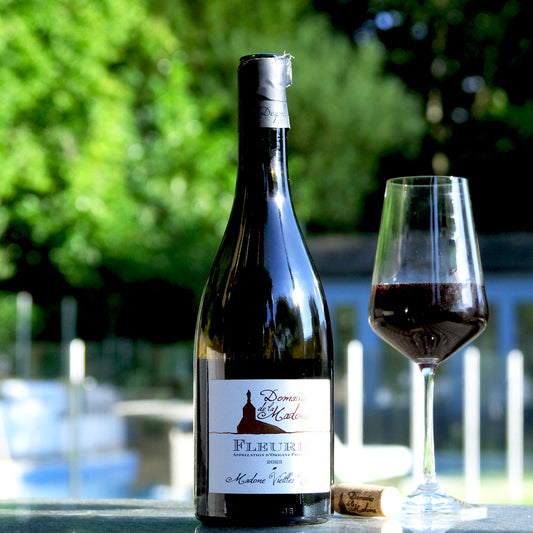
Regular price £24.95Regular priceUnit price perDomaine La Madone Fleurie Vieille Vignes
75cl | ABV: 14.5%
Regular price £21.95Regular priceUnit price perNoster 'Inicial' Priorat
75cl | ABV: 14.5%
Regular price £19.95Regular priceUnit price perChateau Ducru-Beaucaillou Saint-Julien 2006
75cl | ABV: 13.0%
Regular price £291.95Regular priceUnit price perCorazon del Indio Cabernet Sauvignon Blend Chile
75cl | ABV: 14.5%
Regular price £22.95Regular priceUnit price perBlackbook Drums>Space
75cl | ABV: 12.5%
Regular price £31.95Regular priceUnit price perTapiz Las Notas de Jean Claude Bordeaux Blend Mendoza
75cl | ABV: 15.0%
Regular price £95.95Regular priceUnit price perRodolphe Demougeot Monthelie
75cl | ABV: 12.7%
Regular price £42.95Regular priceUnit price perChateau du Glana St Julien 2017
75cl | ABV: 13.5%
Regular price £36.95Regular priceUnit price perCriolla Grande Red Mendoza
75cl | ABV: 12.2%
Regular price £13.95Regular priceUnit price perChateau d'Argadens
75cl | ABV: 14.5%
Regular price £15.95Regular priceUnit price perLa Mission du Haut-Brion Pessac-Leognan 2007
75cl | ABV: 13.0%
Regular price £255.95Regular priceUnit price perDomingo Molina 'Mortero' Malbec Blend Salta Argentina
75cl | ABV: 14.8%
Regular price £27.95Regular priceUnit price perDomingo Molina Cabernet Sauvignon
75cl | ABV: 14.5%
Regular price £22.95Regular priceUnit price perRioja Gran Reserva Muriel
75cl | ABV: 14.0%
Regular price £19.95Regular priceUnit price perChateau Du Mayne Graves
75cl | ABV: 13.0%
Regular price £23.95Regular priceUnit price perDiscover more distinctive red wines
- Choosing a selection results in a full page refresh.
- Opens in a new window.
×In The Trade?
We offer tailored pricing, volume discounts, next day delivery, and full access to our extensive product range to businesses in the food and drink industry. Want to know more? Send us an email, fill out the form below, or visit us in store to enquire about our trade accounts.
Address: 22 Lavender Hill, London SW11 5RN
Email: sales@spywines.co.uk
Tel: 07817 337 449