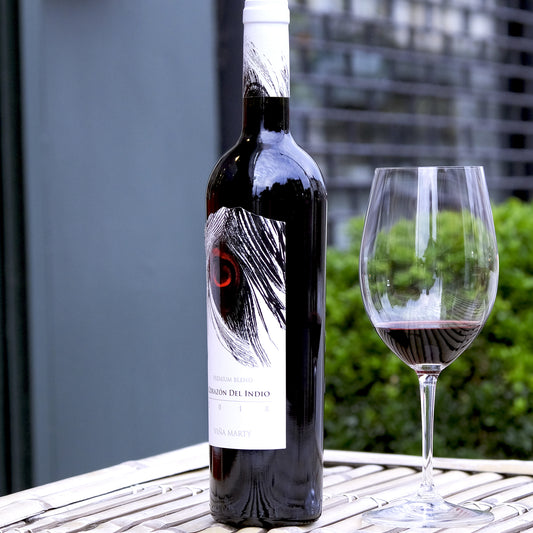
Cabernet Sauvignon Wine

Cabernet Sauvignon is one of the world's great red grape varieties, producing wines with distinctive blackcurrant fruit, firm tannins and the ability to develop beautifully with age. Its historic home is Bordeaux, where it plays a leading role in many Left Bank blends, but the grape has also found exceptional homes in regions such as Napa Valley, Coonawarra, Chile and South Africa.

At Spy, our Cabernet Sauvignon selection brings together distinctive bottles from carefully chosen small producers, from structured, classic styles with cassis, cedar and savoury complexity to richer, fruit-driven expressions from warmer climates. Whether enjoyed young or given time to mature, Cabernet Sauvignon is one of the most rewarding red grapes to explore.

Cabernet Sauvignon Wine Buying Guide

Cabernet Sauvignon is one of the world's most recognisable red grapes, but its character changes considerably depending on where it is grown. In cooler regions it can show blackcurrant, cedar, graphite and herbal notes with firm tannins, while warmer climates can produce richer wines with riper dark fruit and a fuller texture. Bordeaux remains its historic home, but outstanding Cabernet Sauvignon is now made across the world.

What style of Cabernet Sauvignon do you enjoy?

If you enjoy structured, savoury reds, look towards Bordeaux and other cooler-climate examples, where Cabernet Sauvignon can show cassis, cedar, graphite and firm tannins. Warmer regions such as Napa Valley often produce fuller, richer wines with ripe black fruit and a more generous texture. Coonawarra is particularly known for Cabernet with concentrated fruit, freshness and distinctive mint or eucalyptus notes.

Choosing Cabernet Sauvignon for food

Cabernet Sauvignon's combination of tannin, acidity and dark fruit makes it particularly good with rich, savoury food. Roast or grilled beef, lamb, steak and hard cheeses are classic partners. More mature bottles, where the tannins have softened and savoury flavours have developed, can work beautifully with slow-cooked meats, mushrooms and dishes with earthy flavours.

Look beyond Bordeaux

Bordeaux established Cabernet Sauvignon's reputation, but the grape has become truly international. Napa Valley can produce powerful, polished examples, while Coonawarra is famous for structured Cabernet grown on its distinctive terra rossa soils. Chile, South Africa and other regions offer their own interpretations, making Cabernet Sauvignon an excellent grape for exploring how climate and place shape a wine.

Cabernet Sauvignon FAQs

What does Cabernet Sauvignon taste like?

Cabernet Sauvignon commonly shows blackcurrant and other dark-fruit flavours alongside notes such as cedar, graphite, tobacco and herbs. Oak ageing can add spice, vanilla or toast, while mature bottles often develop more savoury and earthy complexity. The exact character depends strongly on climate, vineyard and winemaking.

What is the difference between Cabernet Sauvignon and Merlot?

Cabernet Sauvignon generally has firmer tannins, greater structure and more pronounced blackcurrant and savoury flavours. Merlot is often softer and rounder, with plummy fruit and a more supple texture. The two grapes are frequently blended together in Bordeaux because their different characteristics can complement one another.

Does Cabernet Sauvignon need ageing?

Not always. Many Cabernet Sauvignons are made to be enjoyable when young, particularly fruit-driven styles. More structured examples can benefit considerably from bottle age as their tannins soften and more complex savoury aromas develop. Ageing potential depends on the producer, region, vintage and individual wine.

What food goes with Cabernet Sauvignon?

Cabernet Sauvignon is particularly well suited to rich, savoury dishes. Steak, roast beef, lamb and hard cheeses are classic pairings because the wine's tannins and acidity work well with protein and fat. Mature Cabernet can also pair beautifully with mushrooms, slow-cooked meats and other earthy dishes.