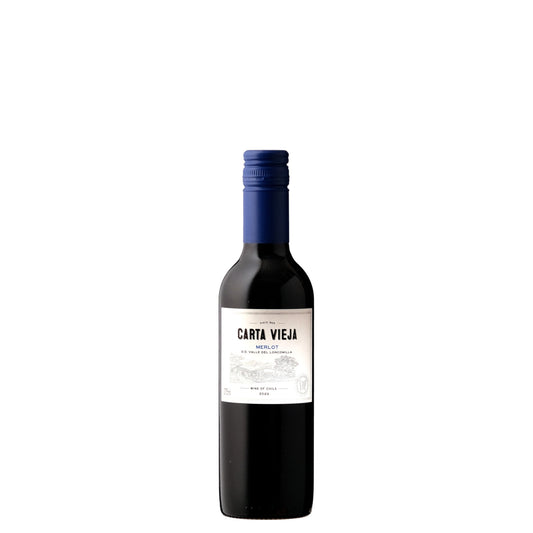
Merlot Wine

Merlot is one of the world’s most popular red grape varieties, loved for its generous fruit, supple texture and ability to produce everything from approachable everyday reds to profound, age-worthy wines. Expect flavours of plum, cherry and dark berries, often joined by chocolate, herbs, spice and savoury complexity as the wine develops.

At Spy, our Merlot selection focuses on distinctive wines from carefully chosen small producers. From elegant, structured examples inspired by Bordeaux to richer, fruit-driven styles from around the world, these are Merlots chosen for character, balance and individuality.

Merlot Wine Buying Guide

Merlot is often associated with soft, generous red wine, but the grape can produce a surprisingly broad range of styles. Climate, vineyard and winemaking all matter: some Merlots are plush and fruit-driven, while others are structured, savoury and capable of long ageing. Bordeaux is its historic heartland, but excellent Merlot is made around the world.

What style of Merlot do you enjoy?

If you enjoy softer, fruit-forward reds, look for Merlot with ripe plum, cherry and dark-berry flavours and smooth tannins. More structured examples can show greater freshness, firmer tannins and savoury notes of herbs, cedar or earth. Bordeaux, particularly the Right Bank, is famous for complex Merlot-led wines, while warmer regions can produce richer and more generous styles.

Choosing Merlot for food

Merlot is a particularly versatile red at the table. Its combination of fruit, moderate acidity and generally supple tannins works well with roast meats, lamb, duck, tomato-based dishes, mushrooms and many hard cheeses. Lighter Merlots can suit simpler dishes, while richer or more mature bottles can stand up to slow-cooked meats and deeper savoury flavours.

Look beyond softness and fruit

Merlot has a reputation for being smooth and easy-drinking, but its finest expressions can have considerable structure, freshness and ageing potential. Producer, vineyard and climate make an enormous difference. Exploring Merlot from different regions is a good way to see how the same grape can move from juicy and immediately appealing to complex, savoury and long-lived.

Merlot FAQs

What does Merlot taste like?

Merlot commonly shows plum, cherry and dark-berry fruit, often with a soft, rounded texture. Depending on climate and winemaking, it can also develop flavours of chocolate, herbs, cedar, spice and earth. Cooler-climate examples are often fresher and more structured, while warmer regions can produce richer, riper styles.

What is the difference between Merlot and Cabernet Sauvignon?

Merlot is generally softer and rounder than Cabernet Sauvignon, with plummy fruit and more supple tannins. Cabernet Sauvignon typically has firmer tannins, greater structure and more pronounced blackcurrant and savoury flavours. They are frequently blended together in Bordeaux because their different characteristics can complement one another.

Where is Merlot grown?

Merlot is strongly associated with Bordeaux, particularly the Right Bank appellations of Saint-Émilion and Pomerol, but it is grown widely around the world. Important examples also come from Italy, the United States, Chile, South Africa, Australia and other wine regions.

Can Merlot be aged?

Yes. Many fruit-driven Merlots are intended to be enjoyed relatively young, but high-quality examples can age extremely well. Structured Merlot and Merlot-led blends can develop softer tannins and more complex savoury, earthy and dried-fruit flavours with bottle age.