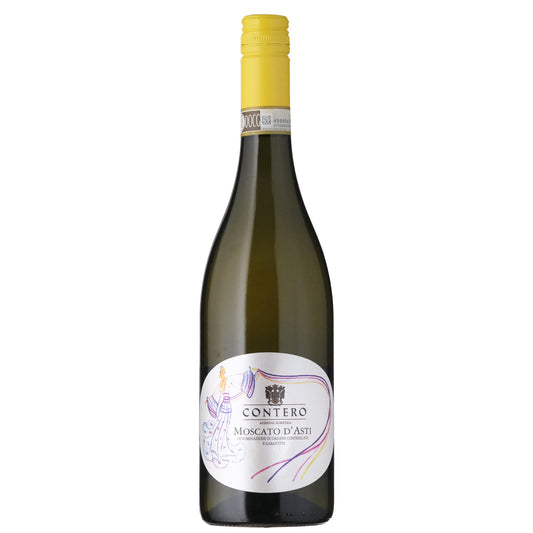
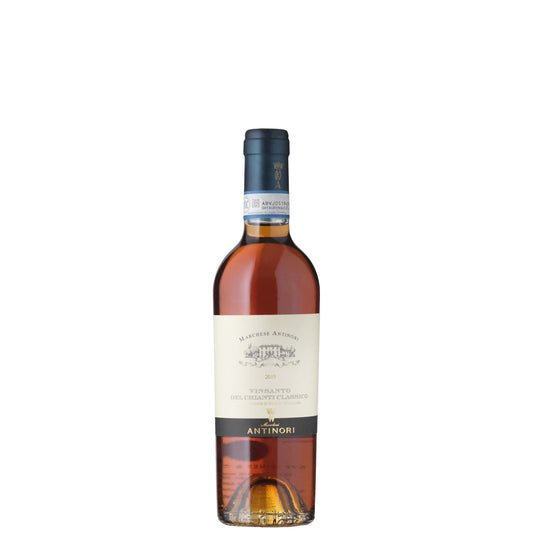
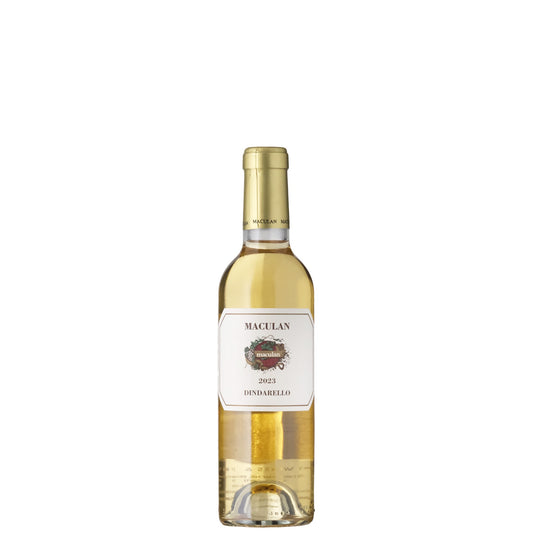
Sweet Wine

Sweet wine comes in an extraordinary range of styles, from delicately fruity and refreshing to intensely rich and complex. Our selection brings together distinctive sweet wines from small producers, including late-harvest wines, Sauternes, Tokaji and Ice Wine. Whether served with dessert, cheese or enjoyed on its own, a great sweet wine balances sweetness with freshness, making it far more versatile than its name might suggest.


Sweet Wine Buying Guide

Sweet wine is about much more than simply sweetness. The best examples balance sugar with acidity, giving them freshness, complexity and remarkable ageing potential. Different methods of concentrating the grapes produce very different styles, from vibrant late-harvest wines to intensely concentrated Sauternes, Tokaji and Ice Wine. Understanding those differences makes choosing a bottle much easier.

What style of sweet wine do you enjoy?

For something lighter and fresher, look for late-harvest wines with bright fruit and plenty of acidity. Richer styles such as Sauternes can offer flavours of honey, apricot, citrus and spice, while Tokaji can combine intense sweetness with remarkable freshness and complexity. Ice Wine is often particularly concentrated, with vivid fruit and naturally high acidity. Sweetness alone doesn’t determine quality — balance is what matters.

Choosing sweet wine for food

Sweet wine can be wonderfully versatile with food. Rich, honeyed styles are classic partners for fruit desserts, pâtisserie and blue cheese, while fresher examples can work beautifully with lighter desserts or spicy dishes. A useful rule is to choose a wine at least as sweet as the food. Sweet wine can also be delicious without dessert at all, particularly with cheese or simply enjoyed on its own.

How sweet wines are made

Winemakers use several different methods to create naturally sweet wines. Grapes may be left on the vine to ripen longer, concentrated by noble rot, dried after harvesting or, in the case of Ice Wine, frozen on the vine before pressing. Each method concentrates sugar and flavour in a different way, producing wines with their own distinctive character, texture and balance.

Sweet Wine FAQs

What are the main types of sweet wine?

Sweet wines are made in many different styles. These include late-harvest wines, botrytised wines such as Sauternes, Tokaji, Ice Wine and wines made from dried grapes. The different production methods create varying levels of sweetness, richness, acidity and flavour.

What is noble rot?

Noble rot, or Botrytis cinerea, is a fungus that can develop on ripe grapes under particular conditions. It causes the grapes to lose water, concentrating their sugars, acidity and flavours. It plays an important role in celebrated sweet wines including Sauternes and some styles of Tokaji.

What food goes best with sweet wine?

Sweet wine works beautifully with fruit desserts, pâtisserie and many cheeses, particularly blue cheese. Fresher styles can also be excellent with spicy food. When pairing with dessert, a useful rule is to choose a wine that is at least as sweet as the dish.

How long does sweet wine last once opened?

Many sweet wines keep longer after opening than dry wines because their sugar and acidity help preserve them. Stored in the fridge and properly sealed, many will remain enjoyable for a week or more, although the exact time depends on the style and wine.