Orange Wine
Orange wine is made from white grapes fermented with their skins, giving the wine its distinctive colour, texture and character. Styles range from fresh, aromatic and gently grippy to deeply amber, savoury and complex. Our selection focuses on distinctive orange wines from small producers, including bottles from Georgia, Italy and beyond, chosen for individuality rather than simply following the trend.
-
Pulenta Naranjo Orange Wine
70cl | ABV: 12.5%
Regular price £18.95Regular priceUnit price / perSale price £18.95Criolla Moscatel Orange Mendoza
75cl | ABV: 12.5%
Regular price £14.95Regular priceUnit price / perSale price £14.95Rustaveli 3 Grapes Qvervi Georgia
75cl | ABV: 13%
Regular price £19.95Regular priceUnit price / perSale price £19.95Perusini Pinot Grigio Ramato Orange Friuli
75cl | ABV: 13%
Regular price £20.95Regular priceUnit price / perSale price £20.95Waas Orange Semillon Franschhoek
75cl | ABV: 11.5%
Regular price £12.95Regular priceUnit price / perSale price £12.95Melanie Pfister Pinot Gris 'Maceration' Alsace
75cl | ABV: 13.5%
Regular price £35.95Regular priceUnit price / perSale price £35.95Matic Postopoma Orange
75cl | ABV: 12.5%
Regular price £20.95Regular priceUnit price / perSale price £20.95Thierry Delauney Vin Orange 'Casca' Sauvignon Blanc Loire
75cl | ABV: 12.0%
Regular price £19.95Regular priceUnit price / perSale price £19.95Sold out
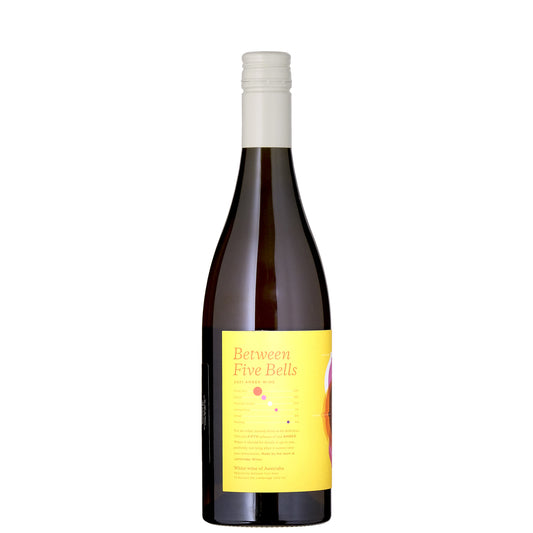
Sold outSold outBetween 5 Bells Amber Orange Australia
75cl | ABV: 12.5%
Regular price £29.95Regular priceUnit price / perSale price £29.95Sold outOrange Wine Buying Guide
Orange wine can seem mysterious, but the idea is surprisingly simple: white grapes are made more like red wine, with the juice spending time in contact with the grape skins. This can add colour, texture, tannin and a huge range of flavours. Some orange wines are light, floral and refreshing; others are rich, savoury and intensely complex. There is no single orange wine style, which is part of what makes the category so interesting.
What style of orange wine do you enjoy?
If you’re new to orange wine, lighter styles with shorter skin contact can be a great place to start, offering fresh fruit, floral aromas and just a little texture. Longer skin contact can produce deeper colour, firmer tannins and more savoury flavours of dried fruit, herbs, tea and spice. The grape variety, region and winemaking all make a difference, so colour alone isn’t always a guide to intensity.
Choosing orange wine for food
Orange wine can be remarkably versatile at the table. Its freshness combined with the texture and tannin gained from skin contact makes it particularly good with dishes that can be difficult to pair with conventional whites. Try it with roasted vegetables, charcuterie, cheese, Middle Eastern food, spicy dishes and richer poultry. More structured examples can even work with grilled or slow-cooked meats.
Look beyond the unusual
Skin-contact white wine is an ancient way of making wine rather than a modern invention. Georgia has a particularly long tradition, often fermenting wine in clay vessels called qvevri, while producers throughout Italy, Slovenia and elsewhere have developed their own styles. Today, small producers around the world are exploring the technique, making orange wine one of the most diverse and exciting categories to discover.
Orange Wine FAQs
What is orange wine?
Orange wine is made from white grapes that are fermented with their skins, rather than having the skins removed before fermentation. This skin contact can give the wine its amber or orange colour as well as additional texture, tannin and flavour.
Is orange wine the same as natural wine?
No. Orange wine describes a winemaking method, while natural wine refers broadly to an approach to grape growing and winemaking. Many orange wines are made by natural or low-intervention producers, but an orange wine is not automatically a natural wine.
What does orange wine taste like?
Orange wines vary enormously. Lighter examples can be fresh, floral and fruity, while more structured wines may show flavours of dried fruit, citrus peel, herbs, tea and spice. Skin contact can also give the wine a gentle tannic grip more commonly associated with red wine.
Should orange wine be served chilled?
Yes, but it doesn’t usually need to be served extremely cold. Lighter orange wines are delicious chilled, while richer and more structured examples often show more aroma and flavour when allowed to warm slightly in the glass.
We've got recommendations, advice, tasting tickets...
Sign up to our monthly newsletter to receive news about our upcoming masterclasses, what we've currently got on tasting, and our answers to customers' questions on all things drinks 🍸
- Choosing a selection results in a full page refresh.
- Opens in a new window.
×In The Trade?
We offer tailored pricing, volume discounts, next day delivery, and full access to our extensive product range to businesses in the food and drink industry. Want to know more? Send us an email, fill out the form below, or visit us in store to enquire about our trade accounts.
Address: 22 Lavender Hill, London SW11 5RN
Email: sales@spywines.co.uk
Tel: 07817 337 449