Fortified Wine
-
Niepoort L.B.V Port 2020
75cl | ABV: 19.5%
Regular price £29.95Regular priceUnit price perNiepoort Crusted Port
75cl | ABV: 19%
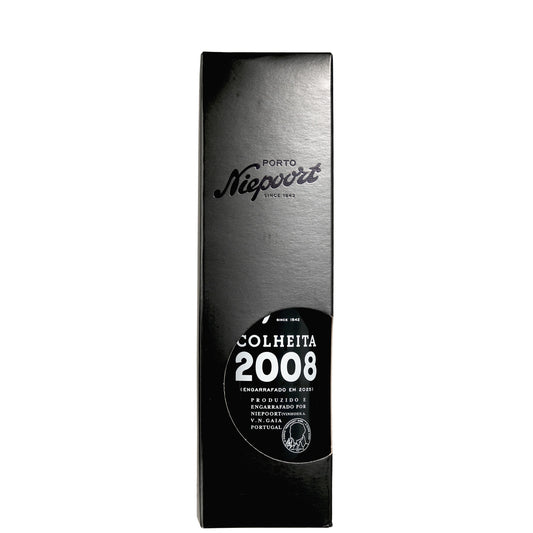
Regular price £33.95Regular priceUnit price perNiepoort Colheita Port 2008
75cl | ABV: 20%
Regular price £52.95Regular priceUnit price perNiepoort 10Y.O Tawny
75cl | ABV: 19.5%
Regular price £45.95Regular priceUnit price perNiepoort 'Tawny Dee' Tawny Port
75cl | ABV: 19.5%
Regular price £24.95Regular priceUnit price perNiepoort 'Ruby Dum' Ruby Port
75cl | ABV: 19.5%
Regular price £24.95Regular priceUnit price perDiatomists Fino Balbaína Sherry
37.5ml | ABV: 15%
Regular price £15.95Regular priceUnit price perDiatomists Oloroso
37.5cl | ABV: 19%
Regular price £19.95Regular priceUnit price perBarbeito 'Sir Ceal' Madeira 5Y.O
75cl | ABV: 19.0%
Regular price £41.95Regular priceUnit price perDiatomists Amontillado
37.5cl | ABV: 18.5%
Regular price £19.95Regular priceUnit price per
 Sold out
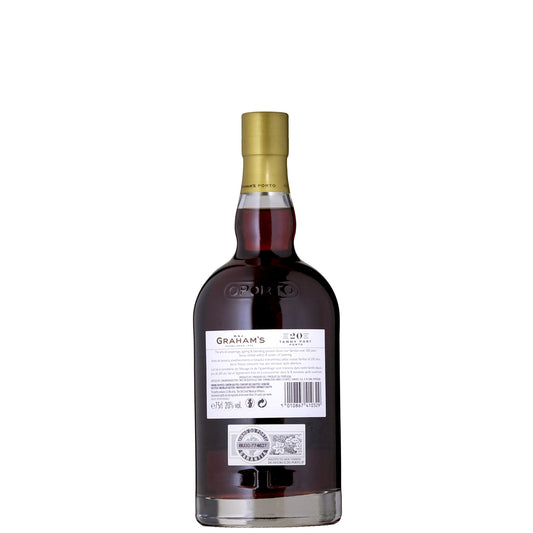
Grahams 20 Years Old Tawny Port
75cl | ABV: 20.0%
Regular price £44.95Regular priceUnit price per
 Sold out
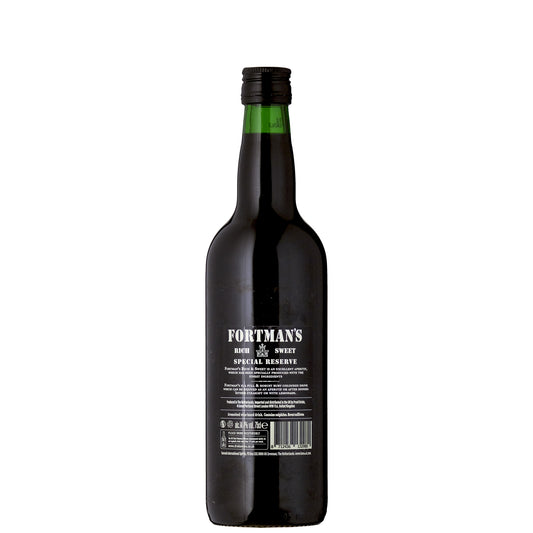
Fortmans Rich & Sweet
75cl | ABV: 14.4%
Regular price £8.45Regular priceUnit price per
 Sold out
Ferreira LBV Port
75cl | ABV: 15.9%
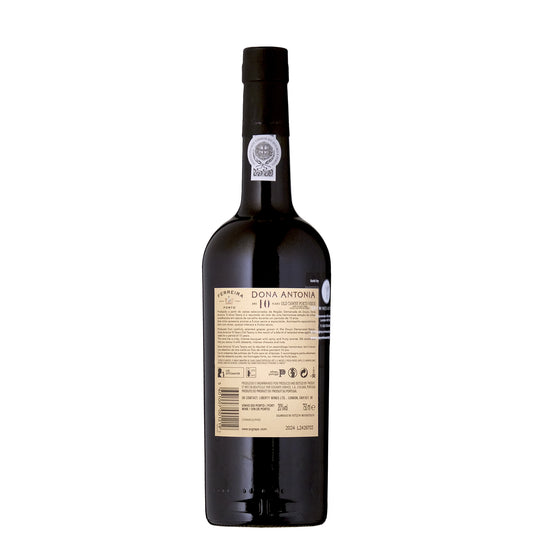
Regular price £28.95Regular priceUnit price perFerreira Dona Antonia 10 Year Old Tawny Port
75cl | ABV: 20%
Regular price £30.95Regular priceUnit price per
 Sold out
Ferreira Ruby Port
75cl | ABV: 19.5%
Regular price £19.95Regular priceUnit price per Sold out
Diatomists Manzanilla
37.5cl | ABV: 15%
Regular price £19.95Regular priceUnit price per- Choosing a selection results in a full page refresh.
- Opens in a new window.
×In The Trade?
We offer tailored pricing, volume discounts, next day delivery, and full access to our extensive product range to businesses in the food and drink industry. Want to know more? Send us an email, fill out the form below, or visit us in store to enquire about our trade accounts.
Address: 22 Lavender Hill, London SW11 5RN
Email: sales@spywines.co.uk
Tel: 07817 337 449