Champagne

Champagne is one of the world's great sparkling wines, but there is far more to discover than the famous names. From precise Blanc de Blancs and Pinot Noir-led cuvées to vintage Champagne and characterful grower bottlings, the region produces an extraordinary range of styles.

At Spy, our Champagne selection focuses particularly on distinctive bottles from small producers, alongside carefully chosen classics. Grower Champagne is a particular passion, offering the opportunity to explore individual villages, vineyards and winemakers across the region. Whether you're looking for an aperitif, something to accompany dinner or a bottle for a special occasion, our selection is chosen for character, quality and individuality.

Champagne Buying Guide

Champagne comes in a remarkable range of styles, and understanding a few key terms can make choosing a bottle much easier. Grape varieties, villages, vintages, dosage and the producer's approach all influence what ends up in the glass. Blanc de Blancs can offer wonderful precision and freshness, while Pinot Noir-led Champagnes are often broader and more structured. Vintage wines can show the character of a particular year, while non-vintage Champagne allows producers to blend across vintages to create balance and consistency. Exploring these differences is one of the great pleasures of Champagne.

What style of Champagne do you enjoy?

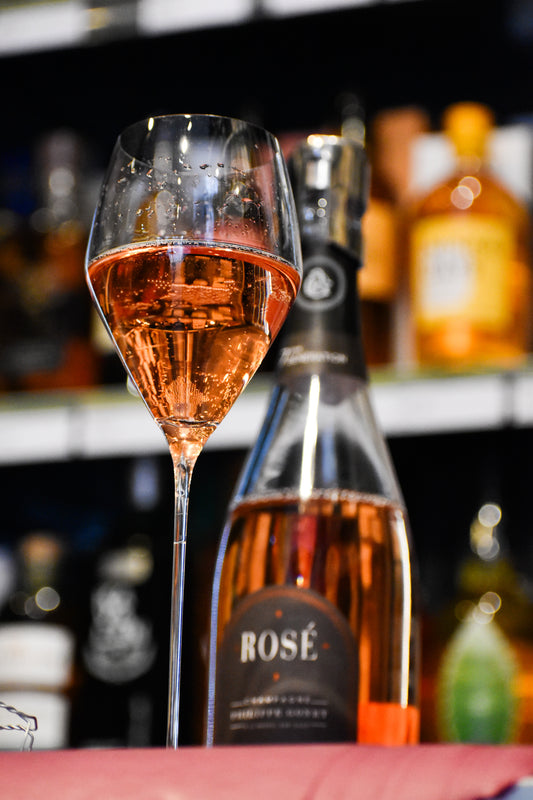
If you enjoy crisp, precise Champagne with citrus, apple and mineral character, look towards Chardonnay-led wines and Blanc de Blancs. Pinot Noir can bring greater structure, body and red-fruit character, while Pinot Meunier often contributes generous fruit and approachability. Rosé Champagne ranges from delicate and elegant to richer, more gastronomic styles. Brut Nature and Extra Brut wines have very little added sugar and can feel particularly dry, although grape variety, ripeness and winemaking are just as important as dosage when determining how a Champagne tastes.

Choosing Champagne for food

Champagne is one of the most versatile wines at the table. Its acidity and bubbles make it excellent with oysters, shellfish, smoked salmon and fried foods, while richer Pinot Noir-led or vintage Champagnes can work beautifully with roast chicken, pork and even lighter game. Blanc de Blancs is particularly good with seafood, while mature Champagne can be superb with hard cheeses. Champagne doesn't have to be saved for the beginning of a meal.

Look beyond the famous Champagne houses

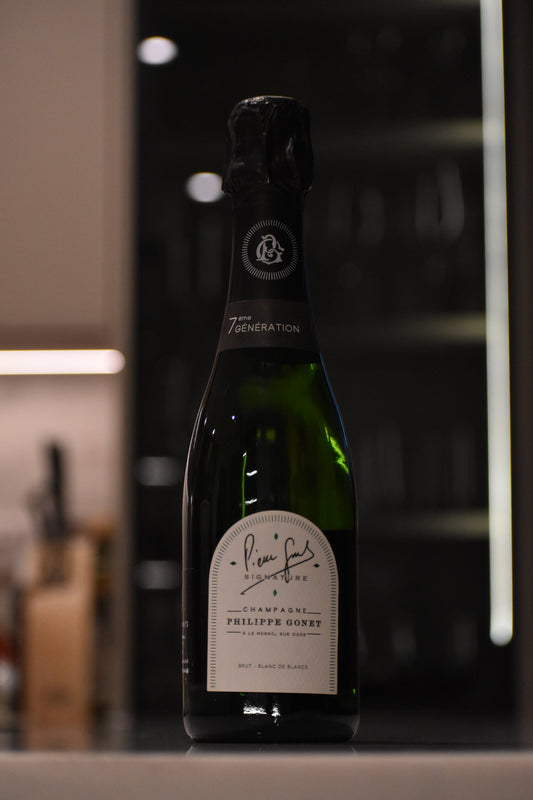
The great Champagne houses have played an enormous role in the region's history, but some of the most exciting bottles today come from smaller growers. Grower Champagne is made by producers who cultivate their own vineyards and make Champagne under their own name, often allowing individual villages, vineyards and grape varieties to play a greater role in the finished wine. Exploring these small producers can reveal an extraordinary variety of styles and is at the heart of the Champagne selection at Spy.

Champagne FAQs

What is the difference between Champagne and sparkling wine?

Champagne is a sparkling wine made in the Champagne region of France according to the appellation's production rules. Other sparkling wines may use similar techniques, including the traditional method where the second fermentation takes place in the bottle, but they cannot be called Champagne unless they meet the requirements of the Champagne appellation.

What is Grower Champagne?

Grower Champagne generally refers to Champagne made by producers who grow their own grapes and make wine under their own label. Many are identified by the initials RM (Récoltant-Manipulant) on the bottle. Grower Champagnes can offer a fascinating opportunity to explore individual villages, vineyards and producer styles across the Champagne region.

What is Blanc de Blancs Champagne?

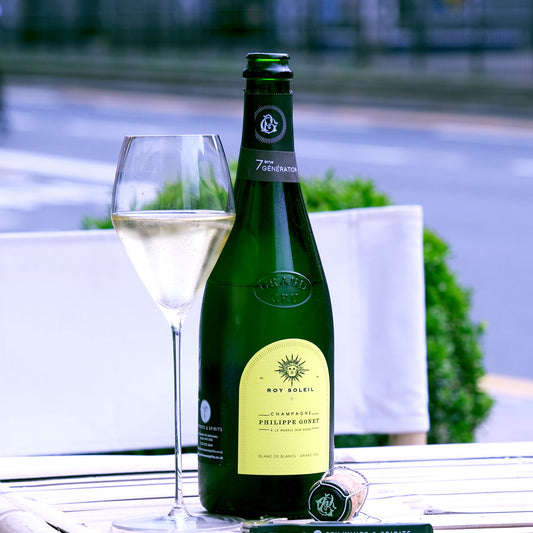
Blanc de Blancs Champagne is a white Champagne made exclusively from white grapes. In practice, it is most commonly made from Chardonnay, although other permitted white grape varieties can also be used. Chardonnay-led Blanc de Blancs is often associated with freshness, citrus, elegance and mineral character, particularly in areas such as the Côte des Blancs.

What is the difference between vintage and non-vintage Champagne?

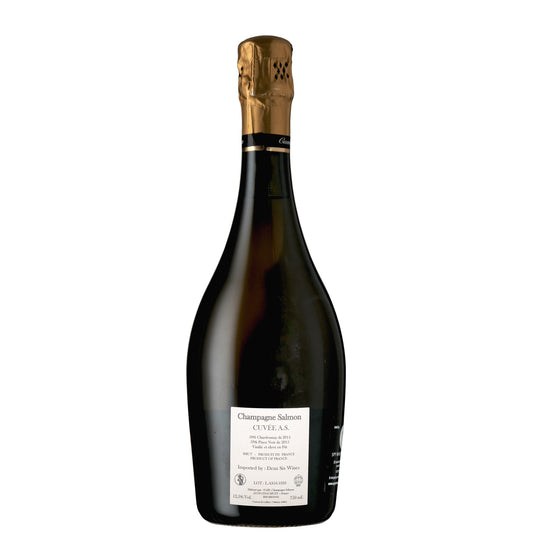
Vintage Champagne is made from grapes harvested in a single year and is produced when a Champagne house or grower chooses to declare a vintage. Non-vintage Champagne can blend wines from different years, including reserve wines, allowing producers to create balance and maintain their desired style. Vintage Champagne is often aged for longer and can develop greater complexity, but non-vintage Champagne is not necessarily lower quality.