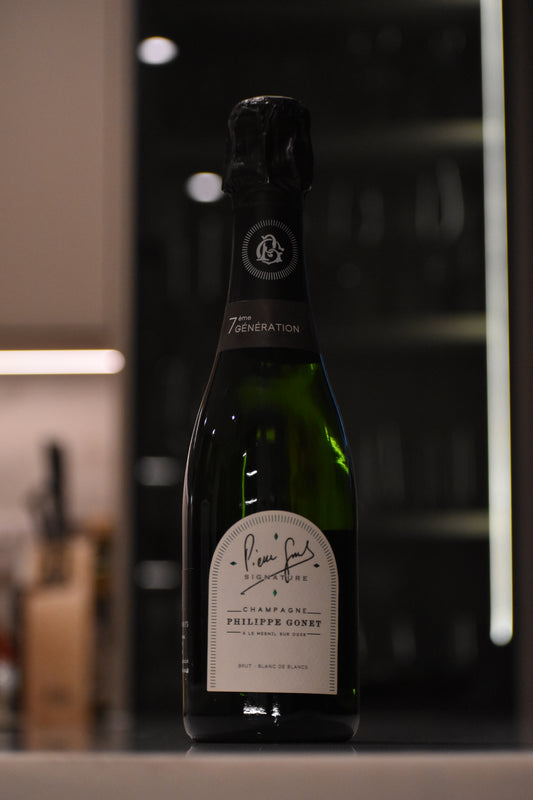
Best Champagne Under £50

Great Champagne doesn't require a great budget. Our ever-growing selection includes some fantastic Champagnes under £50, from crisp, refreshing bottles to richer, more textured styles worthy of a special occasion. Grower Champagne is particularly worth exploring at this price, offering the chance to discover distinctive wines from smaller producers across the Champagne region.

How to Choose a Champagne Under £50

Seek out Grower Champagne. These are Champagnes made by growers rather than the large Champagne houses. Bottles marked RM (Récoltant Manipulant) are made and marketed by growers using grapes exclusively from their own vineyards, and can be a fascinating way to discover individual producers, villages and vineyards.

Don't overlook Brut Non-Vintage. Brut NV Champagne can offer an excellent combination of quality, consistency and value. Producers can blend wines from different years to maintain their preferred style, while Brut tells you that the finished Champagne contains less than 12g of sugar per litre.

Where Does the Best-Value Champagne Come From?

For us, Grower Champagne is the best place to look for value. Smaller producers don't necessarily carry the marketing costs associated with the world's biggest Champagne brands, while giving you the opportunity to explore individual growers and terroirs.

It's also worth looking beyond Champagne's most famous villages. The Côte des Bar, in the southern Aube, is particularly interesting for Pinot Noir-dominant Champagne and is home to many exciting growers. Champagne itself is divided into four principal wine-growing areas: the Montagne de Reims, Vallée de la Marne, Côte des Blancs and Côte des Bar.

What Food Goes with Champagne?

Champagne is one of the most versatile wines at the table. Its high acidity can cut through rich and fatty foods, while the bubbles refresh the palate between bites. Different styles open up even more possibilities:

Blanc de Blancs — oysters, scallops, sushi and delicate seafood
Blanc de Noirs — mushroom risotto, roast duck and richer meat dishes
Rosé Champagne — charcuterie, salmon and lightly spiced dishes
Demi-Sec — fruit tarts, cheesecake and other desserts
Vintage Champagne — lobster, game birds, mushroom and truffle dishes, or aged Comté

Champagne FAQs

What is the difference between Champagne and other sparkling wines, such as Prosecco and Cava?

Champagne can only come from the legally defined Champagne appellation in France and is made using secondary fermentation in the bottle. Other sparkling wines have their own rules and production methods. Cava is also traditionally produced by secondary fermentation in the bottle, while Prosecco is generally produced using the tank or Martinotti-Charmat method.

What grapes are used to make Champagne?

The overwhelming majority of Champagne is made from three grapes:Chardonnay, Pinot Noir and Meunier. A small number of other historic varieties are also permitted, including Arbane, Petit Meslier, Pinot Blanc and Pinot Gris; together these account for less than 0.4% of Champagne's vineyards.

What does Brut mean?

Brut refers to the Champagne's sweetness level rather than its quality. A Brut Champagne containsless than 12 grams of sugar per litre.

What is the difference between Non-Vintage and Vintage Champagne?

Non-Vintage Champagne is generally blended using wines from more than one year's harvest, allowing the producer to maintain a recognisable house style from year to year. Vintage Champagne is made from grapes harvested in the year shown on the bottle and is generally produced when a house or grower believes the vintage merits it.