Rosé Wine

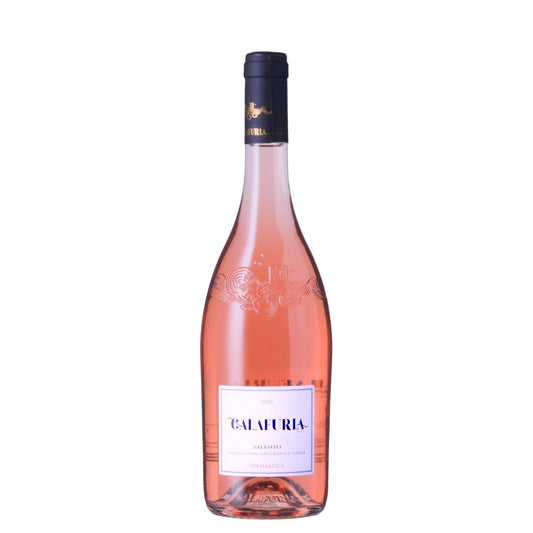
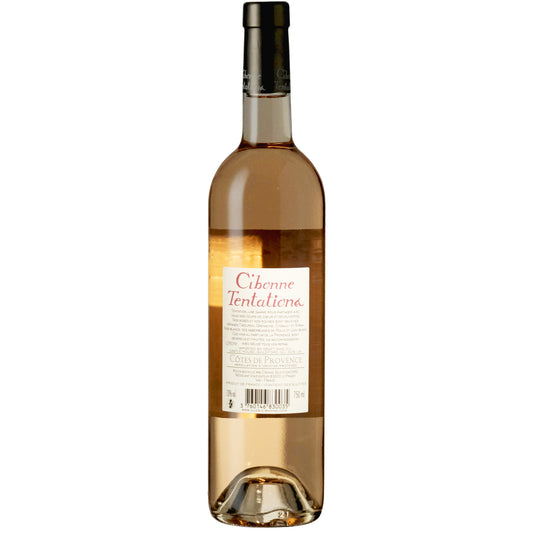
Discover distinctive rosé wines from small producers, from pale, crisp and refreshing styles to richer, more gastronomic bottles. Explore classic Provence rosé alongside characterful wines from France, Italy, Spain and beyond, carefully chosen for freshness, quality and individuality.


Rosé Wine Buying Guide

Rosé is far more diverse than its colour might suggest. From pale, delicate and refreshing wines to deeper, more structured styles, rosé can be a brilliant aperitif, a versatile food wine or simply something delicious to drink in the sunshine. Our selection focuses on distinctive rosé wines from small producers, including classic regions alongside less obvious bottles worth discovering.

What style of rosé wine do you enjoy?

If you enjoy something light, dry and refreshing, pale rosés with bright acidity and delicate red-fruit flavours are a natural place to start. Other rosés can be fruitier, more savoury or fuller-bodied, with enough structure to behave more like a light red wine at the table. Colour alone doesn’t tell you how a rosé will taste, so grape variety, region and producer are much better guides to style.

Choosing rosé wine for food

Rosé is one of the most versatile styles of wine for food. Crisp, dry examples work beautifully with seafood, salads, Mediterranean dishes and lighter grilled food, while fuller rosés can handle charcuterie, tomato-based dishes, grilled meat and richer flavours. Its combination of freshness and gentle red-fruit character also makes rosé particularly useful when a white feels too light but a red feels too heavy.

Look beyond Provence

Provence may be famous for rosé, but excellent examples are made throughout the wine world. Different grapes, climates and traditions can produce rosés with remarkably different personalities, from delicate and mineral to juicy, spicy and savoury. Exploring rosé from small producers outside the most familiar regions can uncover some wonderfully distinctive bottles.

Rosé Wine FAQs

What is rosé wine made from?

Rosé is usually made from red grapes, with the grape skins left in contact with the juice for a relatively short period to provide colour and flavour. Different grapes and winemaking methods can produce rosés ranging from very pale pink to much deeper shades, with styles varying from delicate and crisp to richer and more structured.

Is darker rosé sweeter than pale rosé?

No. The colour of a rosé does not reliably tell you how sweet it will taste. A darker rosé can be completely dry, while a very pale wine is not automatically drier or better. Colour is influenced by factors including grape variety, skin contact and winemaking, so it is better to choose rosé according to its style rather than its shade.

What food goes best with rosé wine?

Dry rosé is extremely versatile with food. Lighter styles work well with seafood, salads and Mediterranean dishes, while fuller rosés can accompany charcuterie, grilled meat, tomato-based dishes and richer flavours. Rosé can also be a useful choice when several different dishes are being served at the same table.

Should rosé wine be served chilled?

Yes, most rosé is best served chilled, although it does not need to be ice-cold. Very cold temperatures can mute flavour and aroma, particularly in more complex rosés. Lighter styles can be served well chilled, while fuller, more gastronomic rosés often show more character after warming slightly in the glass.