Sparkling Wine
-
Rathfinny Classic Cuvee Brut
75cl | ABV: 12.0%
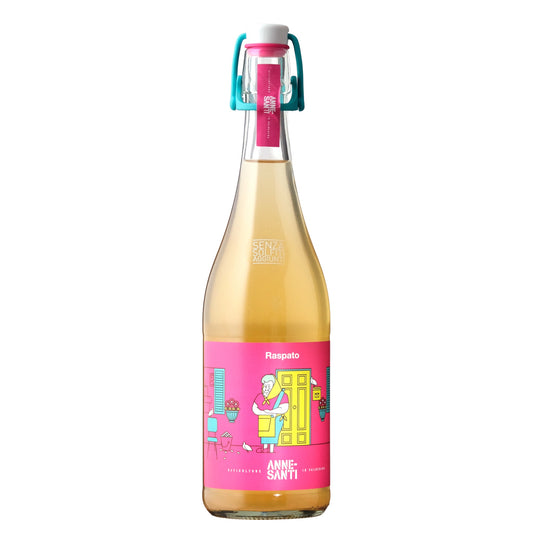
Regular price £32.95Regular priceUnit price perAnne-Santi Pet-Nat Rosa Raspato
75cl | ABV: 11.5%
Regular price £22.95Regular priceUnit price perAnne-Santi Pet-Nat Bianco Raspato
12.0% | ABV: 13.0%
Regular price £22.95Regular priceUnit price perRathfinny Vintage Rosé Brut
75cl | ABV: 12.0%
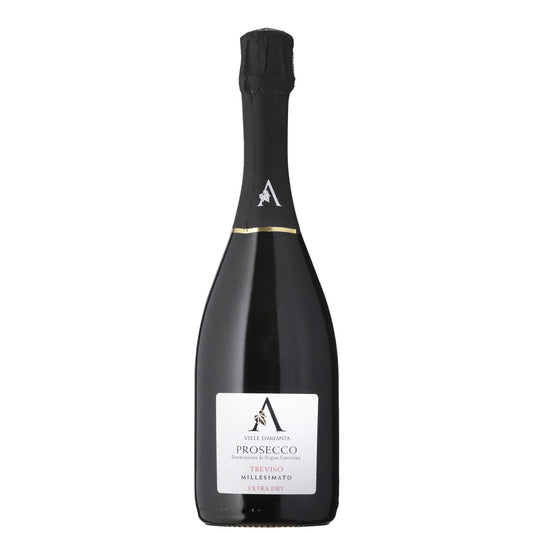
Regular price £42.95Regular priceUnit price perProsecco Villa Arfanta
75cl | ABV: 11.0%
Regular price £14.95Regular priceUnit price perCremant D'Alsace Pfister
75cl | ABV: 12.5%
Regular price £32.95Regular priceUnit price perGran Torello Corpinnat Brut Nature
70cl | ABV: 12%
Regular price £43.95Regular priceUnit price perGranville Basalt Brut Nature Sparkling Oregon
75cl | ABV: 12.0%
Regular price £60.95Regular priceUnit price perCh. Picoron 'I did, did I?' Pet-Nat
75cl | ABV: 12.5%
Regular price £21.95Regular priceUnit price perIl Poggiarello Gutturnio Frizzante
75cl | ABV: 12.5%
Regular price £19.95Regular priceUnit price perTorello Corpinnat Brut Reserva
75cl | ABV: 12%
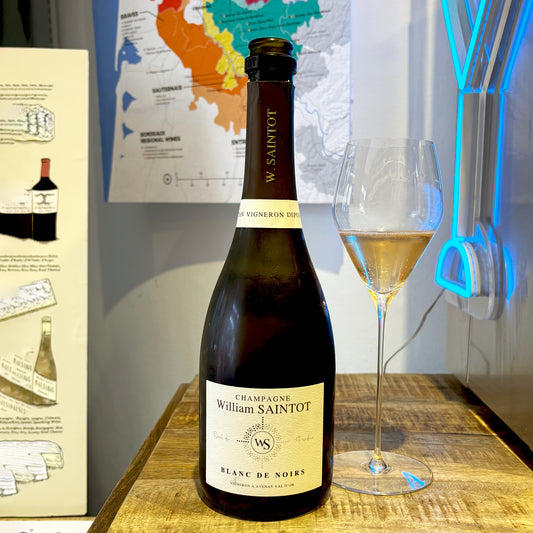
Regular price £23.95Regular priceUnit price perChampagne William Saintot Blanc de Noirs Premier Cru
75cl | ABV: 12.5%
Regular price £40.95Regular priceUnit price perProsecco Falceri Extra-Dry
75cl | ABV: 11.0%
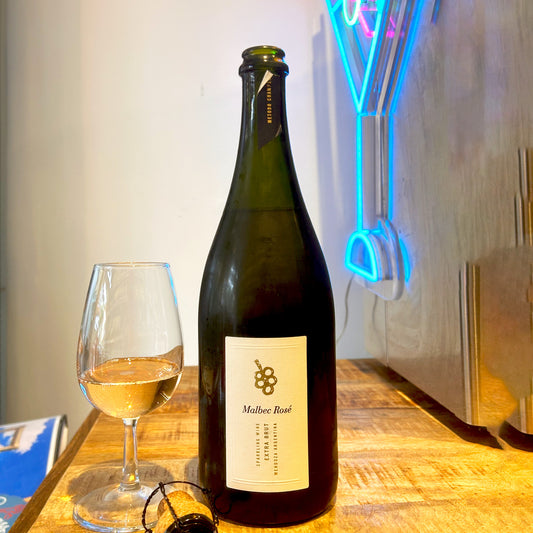
Regular price £12.95Regular priceUnit price perTapiz Malbec Sparkling Rosé Extra Brut
75cl | ABV: 12.5%
Regular price £19.95Regular priceUnit price per Sold out
Moncontour Cremant de Loire
75cl | ABV: 11.5%
Regular price £17.95Regular priceUnit price perFranciacorta Blanc de Blancs Antinori
75cl | ABV: 12.5%
Regular price £49.95Regular priceUnit price per- Choosing a selection results in a full page refresh.
- Opens in a new window.
×In The Trade?
We offer tailored pricing, volume discounts, next day delivery, and full access to our extensive product range to businesses in the food and drink industry. Want to know more? Send us an email, fill out the form below, or visit us in store to enquire about our trade accounts.
Address: 22 Lavender Hill, London SW11 5RN
Email: sales@spywines.co.uk
Tel: 07817 337 449