Beaujolais

Beaujolais is best known for vibrant, expressive red wines made from Gamay. From juicy, light-bodied bottles bursting with red fruit to more structured and complex cru Beaujolais, the region offers far more variety than its easy-drinking reputation sometimes suggests.

At Spy, our Beaujolais selection focuses on distinctive wines from carefully chosen producers, including smaller growers working in individual villages and vineyards. Expect fresh acidity, supple tannins and plenty of character, with styles ranging from bright and immediately delicious to more serious wines capable of developing beautifully with age.

Beaujolais Buying Guide

Beaujolais can range from light, juicy and fruit-driven to structured, savoury and surprisingly ageworthy. Where the grapes are grown, the producer's approach and the way the wine is made can all influence its character, making Beaujolais a much more diverse region than it first appears.

Which style of Beaujolais should you choose?

For something light and immediately approachable, look for bright, fruit-led Beaujolais with plenty of raspberry, cherry and floral character. Beaujolais-Villages can offer more concentration, while wines from the individual crus often show greater structure, complexity and a stronger sense of place.

What is cru Beaujolais?

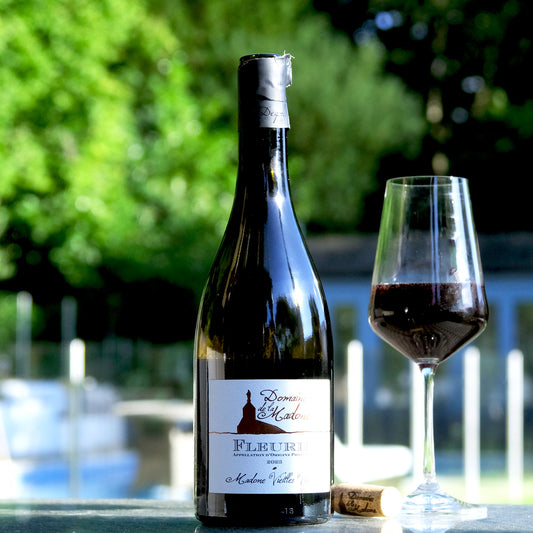
At the top of the Beaujolais hierarchy are ten individual crus, each named after a particular area rather than simply carrying the Beaujolais name. Their styles can differ considerably. Fleurie, for example, is often associated with fragrant, elegant wines, while other crus can produce deeper, firmer and more structured expressions of Gamay.

Look beyond Beaujolais Nouveau

Beaujolais Nouveau is only one expression of the region. Smaller producers and growers working with individual vineyards can make remarkably characterful wines, particularly in the cru villages. These bottles can combine Beaujolais' trademark freshness and drinkability with real depth, complexity and individuality.

Beaujolais FAQs

What grape is Beaujolais made from?

Red Beaujolais is made principally from Gamay, a grape known for bright red-fruit flavours, fresh acidity and relatively low tannins. The variety can produce everything from light, juicy wines to more concentrated and structured examples from the region's crus.

Is Beaujolais part of Burgundy?

Beaujolais lies immediately south of the main Burgundy wine regions and is often discussed alongside Burgundy, but it has its own distinctive identity, vineyards and appellations. Gamay is the dominant red grape in Beaujolais, whereas Pinot Noir dominates red wine production in much of Burgundy further north.

What is the difference between Beaujolais and cru Beaujolais?

Beaujolais is the broad regional appellation, while cru Beaujolais comes from one of ten specific areas recognised for their distinctive vineyards and wines. Cru bottles normally carry the name of the cru, such as Fleurie or Juliénas, prominently on the label.

What food goes with Beaujolais?

Beaujolais is particularly food-friendly thanks to its fresh acidity and generally moderate tannins. It works well with charcuterie, roast chicken, pork, pâté and many mushroom dishes. Lighter styles can also be served slightly chilled, making them useful with picnics and informal summer food.