Scotch Whisky
-
Mossburn Vintage Casks #36 Inchgower 2011
70cl | ABV: 57.1%
Regular price £71.95Regular priceUnit price perGlenfiddich 12 Year Old Miniature
5cl | ABV: 40.0%
Regular price £5.45Regular priceUnit price perCompass Box Art and Decadence
70cl | ABV: 49.0%
Regular price £157.95Regular priceUnit price perCompass Box Glasgow Blend
70cl | ABV: 43.0%
Regular price £44.95Regular priceUnit price perCompass Box Experimental Grain
70cl | ABV: 46.0%
Regular price £104.95Regular priceUnit price perCompass Box Peat Monster
70cl | ABV: 46.0%
Regular price £58.95Regular priceUnit price perCompass Box Orchard House
70cl | ABV: 46.0%
Regular price £52.95Regular priceUnit price perCompass Box The Story of the Spaniard
70cl | ABV: 43.0%
Regular price £58.95Regular priceUnit price perCompass Box Spice Tree
70cl | ABV: 46.0%
Regular price £54.95Regular priceUnit price perOban 14 Year Old
70cl | ABV: 43.0%
Regular price £81.95Regular priceUnit price perHaig Club 'Clubman' Single Grain Scotch Whisky
70cl | ABV: 40.0%
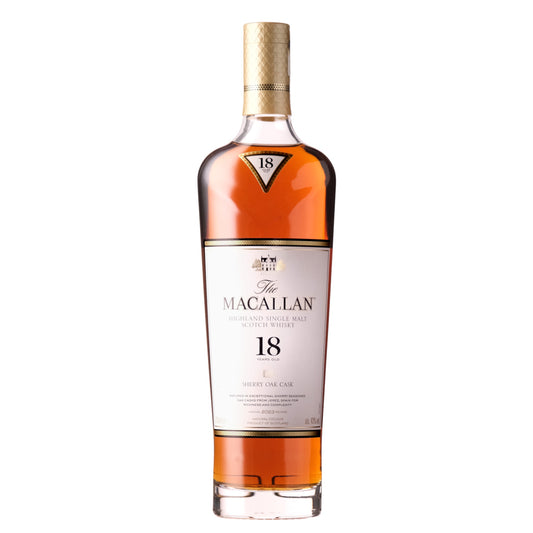
Regular price £29.45Regular priceUnit price perMacallan 18 Year Old Sherry Oak
70cl | ABV: 43.0%
Regular price £349.95Regular priceUnit price perJohnnie Walker Blue
70cl | ABV: 40.0%
Regular price £149.95Regular priceUnit price per Sold out
Glenlivet 12 Year Old
70cl | ABV: 43.0%
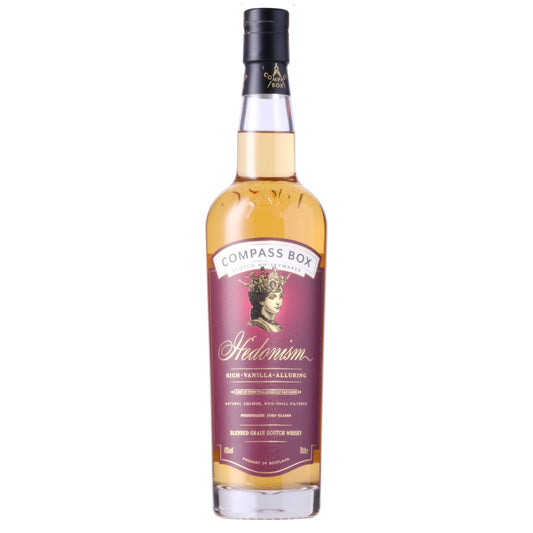
Regular price £38.95Regular priceUnit price perCompass Box Hedonism
70cl | ABV: 43.0%
Regular price £81.95Regular priceUnit price perAuchentoshan 18 Year Old
70cl | ABV: 43.0%
Regular price £108.95Regular priceUnit price perExplore more distinctive Scotch Whisky
- Choosing a selection results in a full page refresh.
- Opens in a new window.
×In The Trade?
We offer tailored pricing, volume discounts, next day delivery, and full access to our extensive product range to businesses in the food and drink industry. Want to know more? Send us an email, fill out the form below, or visit us in store to enquire about our trade accounts.
Address: 22 Lavender Hill, London SW11 5RN
Email: sales@spywines.co.uk
Tel: 07817 337 449